

When people first search for a Trailer-Mounted Dryer, they usually have one clear problem: grain or materials need drying, but building a fixed drying facility feels expensive, inflexible, or simply unnecessary. This is especially true for small to mid-sized farms, grain dealers, or operators who move between locations during harvest season. In real-world use, a trailer-mounted dryer offers a balance between efficiency, mobility, and cost control.
This article starts from actual user concerns and explains what a trailer-mounted dryer is, how it works, where it fits best, and what you should realistically expect before buying one.
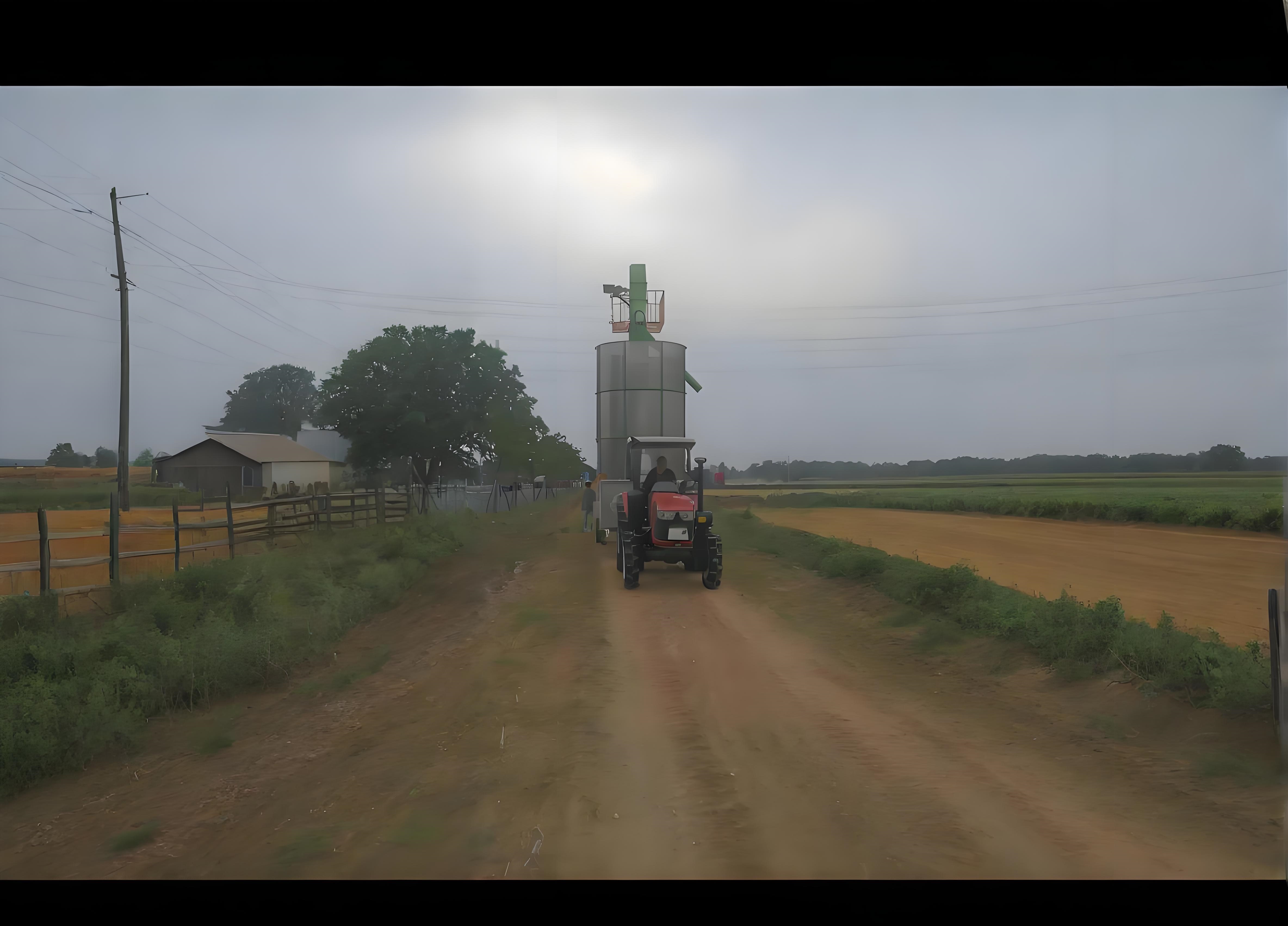
What Is a Trailer-Mounted Dryer?
A trailer-mounted dryer is exactly what it sounds like: a drying system installed on a towable trailer. Instead of being fixed to concrete foundations, it can be moved from field to field or farm to farm using a tractor or truck. Most models are designed for grain drying, but some are also used for seeds, biomass, or specialty crops.
In daily use, operators like this type of dryer because it reduces transport distance. Rather than hauling wet grain to a distant drying plant, the dryer comes to the grain. That saves time, fuel, and stress during peak harvest periods.
Core Components of a Trailer-Mounted Dryer
Although models vary, most trailer-mounted dryers include:
- A drying chamber or column
- A heat source (diesel, gas, or biomass burner)
- Fans and airflow control system
- Control panel (manual or semi-automatic)
- Heavy-duty trailer frame with axles and tires
These components are simplified compared to large drying towers, which is one reason maintenance tends to be more manageable.
Why Many Farmers Choose a Trailer-Mounted Dryer
From a buyer’s perspective, the appeal of a trailer-mounted dryer is not about fancy features. It is about solving practical problems during harvest.
Mobility Brings Real Flexibility
One of the biggest advantages is mobility. If you manage multiple fields or work with neighboring farms, a trailer-mounted dryer allows you to dry grain right where it is harvested. In reality, this often means fewer delays caused by weather and fewer late-night trips to centralized drying facilities.
For custom drying services, mobility also creates an extra income opportunity. Some owners move their trailer-mounted dryer between farms and charge per ton dried.
Lower Initial Investment
Compared to large fixed grain drying towers, trailer-mounted dryers usually come with a lower upfront cost. You do not need permanent civil construction, and installation is minimal. For farmers who are unsure about long-term capacity needs, this flexibility reduces financial pressure.
Easier Setup and Operation
In real working conditions, simple systems matter. Most trailer-mounted dryers are designed for quick setup. Level the trailer, connect the power or fuel source, load grain, and start drying. Operators who are not full-time technicians often find this setup less intimidating than complex automated towers.
Common Applications of Trailer-Mounted Dryers
While grain drying is the most common use, trailer-mounted dryers serve several real-world scenarios.
On-Farm Grain Drying
Small and mid-sized farms often use trailer-mounted dryers for corn, wheat, rice, and soybeans. During harvest season, weather can change quickly. Having a dryer nearby helps farmers avoid spoilage and quality loss.
Seed Drying and Specialty Crops
Some operators use these dryers for seed corn or specialty crops where gentle drying is required. Adjustable temperature control helps protect germination rates, which is critical in seed production.
Temporary or Emergency Drying
In areas affected by unexpected rain or flooding, trailer-mounted dryers are sometimes used as temporary solutions. Their mobility allows quick deployment where fixed infrastructure is unavailable or damaged.
Key Factors to Consider Before Buying
Choosing a trailer-mounted dryer should be based on realistic expectations, not brochure promises.
Drying Capacity
Capacity is often listed in tons per batch or per hour, but actual performance depends on grain moisture, weather conditions, and heat source. Buyers should ask suppliers for real-case examples instead of ideal laboratory numbers.
Fuel Type and Energy Efficiency
Diesel and gas are the most common fuel options. Diesel offers flexibility in remote areas, while gas may be cheaper where pipelines are available. Some newer models support biomass fuel, which can reduce operating costs if materials are locally available.
Transport and Road Conditions
Not all trailers are equal. If your farm roads are uneven or muddy, axle strength and tire quality matter more than advertised drying speed. In real use, durability often outweighs minor efficiency differences.
Maintenance and Daily Operation Reality
One reason trailer-mounted dryers remain popular is their relatively simple maintenance. Routine tasks usually include cleaning dust buildup, checking burners, lubricating moving parts, and inspecting electrical connections.
From user experience, dryers that are easy to clean tend to be used more consistently. Complicated cleaning procedures often lead to skipped maintenance, which shortens equipment life.
Is a Trailer-Mounted Dryer Right for You?
A trailer-mounted dryer is not a perfect solution for everyone. Large commercial grain centers may still benefit from high-capacity fixed towers. However, for farmers who value flexibility, moderate capacity, and cost control, trailer-mounted dryers offer a realistic and proven option.
From the reader’s point of view, the real value lies in adaptability. Being able to move the dryer where it is needed most often outweighs slightly lower throughput compared to permanent systems.
Final Thoughts on Trailer-Mounted Dryers
The popularity of the Trailer-Mounted Dryer continues to grow because it matches how modern farming actually works: changing weather, tight schedules, and the need to control costs. Instead of building bigger and more complex systems, many operators are choosing smarter, mobile solutions.
If your operation requires flexibility, seasonal use, or on-site drying, a trailer-mounted dryer is worth serious consideration. By focusing on real needs rather than marketing claims, buyers can select equipment that performs reliably year after year.
Welcome to choose our company’s other types of grain dryers, 20-ton mobile grain dryers, 5-ton mobile grain dryers, 10-ton mobile grain dryers,25-ton mobile grain dryers


 WeChat QR code


