

If you’ve been in agriculture long enough, you know drying grain isn’t just about heat—it’s about airflow. Whether you’re dealing with corn, wheat, or soybeans, the right grain dryer air system can make the difference between a well-preserved harvest and thousands of dollars lost to spoilage.
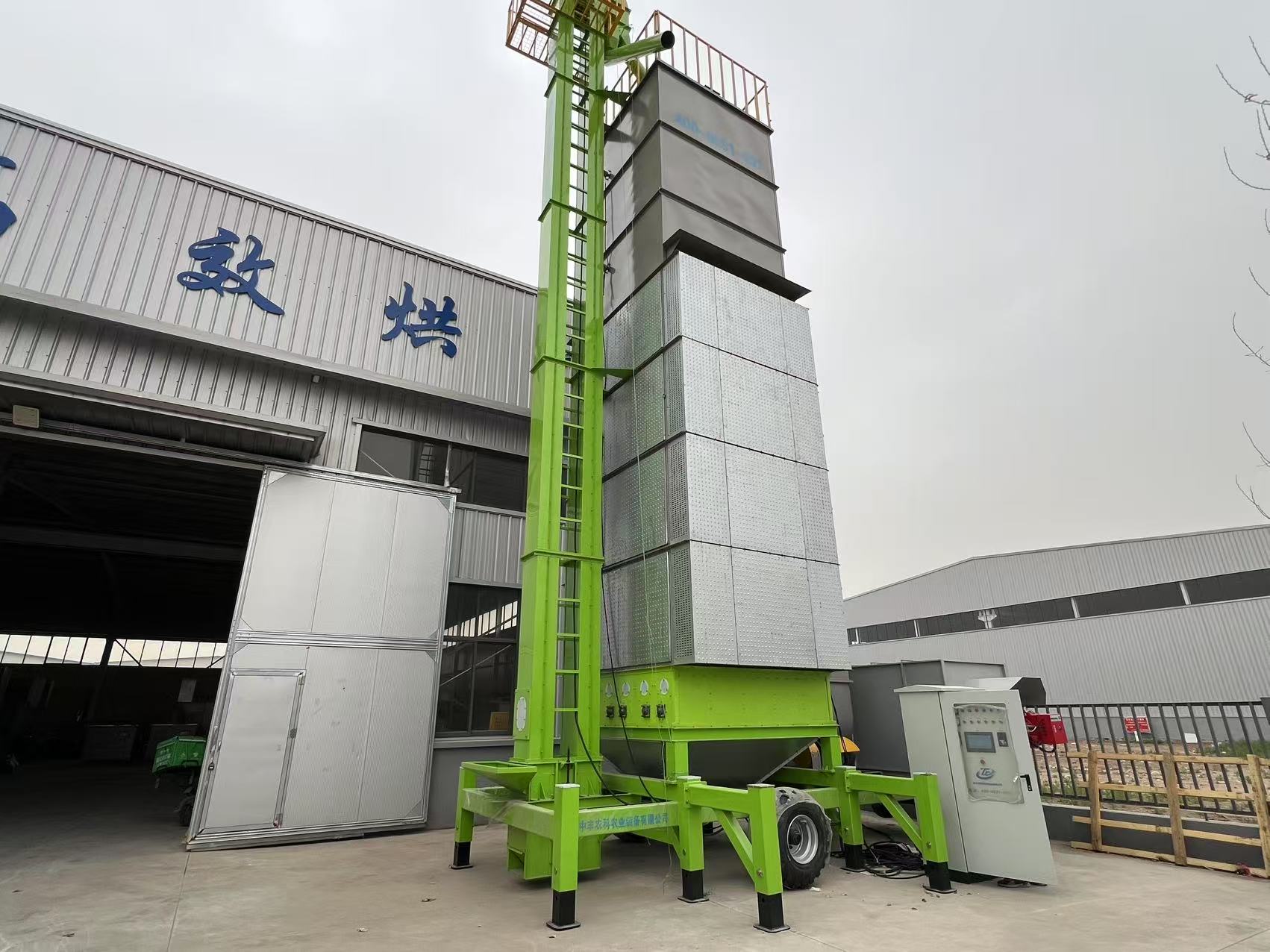
But here’s the thing: not all air systems are the same. And as farmers talk more openly in forums, dealerships, and coffee shops, it’s clear that getting the airflow right is just as important as choosing the right dryer brand. This article breaks it all down—from how these systems work to what real farmers are saying, so you can make a smart decision for your operation.
What Is a Grain Dryer Air System?
At its core, a grain dryer air system refers to the combination of fans, ducts, and controls that move heated or ambient air through the grain to reduce moisture content. While some systems rely on natural air drying, most modern setups include powerful fans and airflow controls that work in tandem with heat to dry the grain evenly and efficiently.
Common Types of Grain Dryer Air Systems
There are several variations, depending on your setup:
- In-bin air systems with stirrators or floor aeration
- Continuous flow air systems with cross-flow or mixed-flow design
- Portable grain dryer fans with horizontal or vertical ducting
- Vacuum-assisted or negative pressure systems in high-capacity bins
Each system has its strengths and weaknesses, depending on the grain type, climate, and size of your operation.
Why Airflow Matters More Than You Think
Ask any seasoned farmer and they’ll tell you—airflow isn’t just about moving air; it’s about moving it evenly and with the right pressure.
One Iowa grower shared his experience: “We upgraded from a cheap axial fan to a centrifugal blower on our 30’ bin, and it cut our drying time in half. That was the best money we spent that year.”
Real-World Benefits of an Optimized Grain Dryer Air System
1. Faster Drying Times
A good air system means you don’t have to rely on higher heat, which saves fuel and reduces kernel damage. This is especially important for corn and wheat.
2. Reduced Grain Spoilage
Consistent airflow ensures that all layers of the grain dry evenly. Dead zones in a bin often lead to mold growth or spoilage, especially in humid climates.
3. Lower Energy Costs
By optimizing fan size and placement, you can significantly reduce power consumption. Many AgTalk users share stories of switching to variable-speed fans and seeing their electricity bills drop.
4. Flexibility Across Crops
With an adjustable airflow system, you can switch between soybeans, wheat, and corn without changing your whole setup. Long-tail searches like “multi-crop grain dryer airflow system” are becoming more common for this reason.
What Farmers Are Saying Online
One of the best places to find unfiltered feedback is in farming forums like AgTalk or The Combine Forum. Here’s a sample of what farmers are saying:
- “Don’t skimp on the air system. I upgraded from a single 10 HP axial to dual 7.5 HP centrifugal fans and now I sleep at night during harvest.”
- “We added inline air ducts to our continuous flow dryer and it eliminated the wet grain pockets completely.”
- “The air system isn’t just an accessory—it’s the backbone of your drying process.”
These insights don’t come from sales reps—they come from real folks who’ve tested this stuff under pressure.
Key Factors to Consider Before You Buy or Upgrade
Fan Type and Power
Axial fans are cheaper and good for small bins, but centrifugal fans offer better static pressure for deeper grain beds.
Duct Placement
Bad duct design leads to uneven drying. For new builds, invest in a system with well-placed perforated floors or sidewall air inlets.
Controls and Automation
Modern air systems can be paired with moisture sensors and automated controls. These systems adjust fan speed and timing based on real-time grain moisture levels.
Maintenance and Reliability
Check how easy it is to clean or replace fan blades, and make sure your system has reliable backup controls in case of sensor failure.
Final Thoughts: Why the Grain Dryer Air System Shouldn’t Be an Afterthought
When it comes to grain drying, people often focus on the heat source or the brand name. But smart farmers know that airflow is where the real gains are made. A properly designed grain dryer air system means faster drying, fewer losses, and more peace of mind during harvest.
If you’re investing in a new dryer or upgrading your existing setup, take a hard look at your airflow system. Because at the end of the day, good airflow means good grain—and that means a better bottom line.
Welcome to choose our company’s other types of grain dryers, 35-ton mobile grain dryers, 5-ton mobile grain dryers, 10-ton mobile grain dryers,25-ton mobile grain dryers


 WeChat QR code


