

What Is a Vertical Continuous Flow Grain Dryer
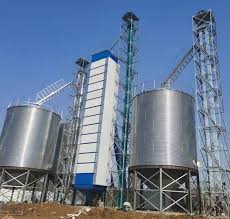
A vertical continuous flow grain dryer is a type of grain drying equipment where grain moves downward by gravity through a tall, upright structure while heated air passes through it. Unlike batch dryers, the process does not stop once it starts. Grain enters at the top and exits at the bottom at a steady pace.
In real farm operations, this kind of dryer is often chosen when space on the ground is limited but higher drying capacity is still needed. The vertical layout allows more grain to be dried using a smaller footprint.
Why Vertical Design Matters in Grain Drying
The vertical design is not just about saving space. It also affects how grain flows and how evenly it dries. Gravity helps grain move smoothly, reducing the need for extra mechanical handling.
From a farmer’s perspective, fewer moving parts often mean fewer breakdowns during harvest. When things are busy, simplicity and reliability matter more than anything else.
How a Vertical Continuous Flow Grain Dryer Works in Practice
In everyday use, grain is lifted to the top of the dryer using an elevator or conveyor. Inside the dryer, grain flows down between perforated walls. Heated air is pushed horizontally through the grain column, removing moisture as it passes.
The drying process is controlled by adjusting airflow, temperature, and discharge speed. Once set correctly, the dryer can run for long hours with minimal adjustment, which is exactly what farmers need during peak harvest.
Main Benefits from a Farmer’s Perspective
Efficient Use of Space
One of the biggest benefits is the small ground footprint. Vertical continuous flow grain dryers are ideal for farms with limited yard space or existing bin layouts.
Consistent Drying Results
Even airflow across the grain column helps achieve uniform moisture levels. This reduces the risk of hot spots and spoilage during storage.
High Throughput
Despite their compact footprint, vertical dryers can handle large volumes of grain. This makes them suitable for medium to large farms.
Crops Commonly Dried with Vertical Continuous Flow Grain Dryers
These dryers are commonly used for corn, wheat, rice, barley, and sorghum. Corn is the most popular crop due to its higher harvest moisture.
Food-grade grains benefit from the gentle, even drying provided by vertical systems. Proper settings help maintain kernel quality and market value.
Capacity, Height, and Site Requirements
While vertical dryers save space, they require adequate height clearance. This includes space for grain elevators, exhaust systems, and safety access.
Farmers also need to consider foundation strength and wind exposure. A solid base and proper anchoring are important for long-term safety and performance.
Energy Use and Operating Costs
Vertical continuous flow grain dryers typically use natural gas, propane, or diesel. Fans and control systems require electricity.
From real-world experience, operating costs depend more on grain moisture and drying management than on the dryer itself. Efficient settings and steady operation usually lead to lower cost per ton dried.
Grain Quality, Moisture Control, and Storage Results
Grain coming out of a vertical continuous flow grain dryer often has uniform moisture, which is a big advantage for storage. Even moisture reduces mold risk and improves airflow in bins.
Farmers often notice fewer storage problems when grain is dried properly from the start. Good drying makes long-term storage much easier to manage.
Operation, Monitoring, and Daily Management
Operating a vertical continuous flow grain dryer is mostly about monitoring. Operators watch inlet and outlet moisture, air temperature, and grain flow speed.
Modern systems may include basic automation, but experienced farmers still rely on regular visual checks and moisture testing to stay ahead of problems.
Maintenance, Durability, and Service Life
Routine maintenance includes cleaning dust buildup, inspecting fans, and checking burners. Vertical dryers are generally durable due to their simple structure.
With proper care, many vertical continuous flow grain dryers operate reliably for decades. Farmers often say these dryers are long-term investments rather than short-term tools.
Common Problems and How Farmers Avoid Them
One common issue is pushing the dryer too hard by increasing temperature or grain flow too much. This can lead to uneven drying or grain damage.
Another problem is neglecting regular inspection. Small issues, if ignored, can quickly turn into downtime during the busiest time of year.
Is a Vertical Continuous Flow Grain Dryer the Right Choice
Whether a vertical continuous flow grain dryer is the right choice depends on farm size, layout, and harvest needs. For farms that need high capacity without using much ground space, it can be an excellent solution.
From a practical standpoint, these dryers offer a strong balance of efficiency, reliability, and grain quality. When matched correctly to the operation, a vertical continuous flow grain dryer becomes a dependable part of the harvest system, helping farmers stay ahead of weather, reduce losses, and protect the value of their grain.
Welcome to choose our company’s other types of grain dryers, 120Ton grain drying tower, 150Ton grain drying tower, 200Ton grain drying tower,300Ton grain drying tower


 WeChat QR code


