

When farmers and grain handlers search for Continuous Flow Grain Dryer Design, they usually have one urgent problem: grain is coming off the field faster than it can be dried, and batch drying creates delays. In real-world conditions, continuous flow grain dryers are designed to handle large volumes efficiently, keep grain moving steadily, and reduce the risk of uneven moisture or quality loss.
This article explains continuous flow grain dryer design from a practical perspective, focusing on how it works, key design features, real-world benefits, and what you should consider before investing.
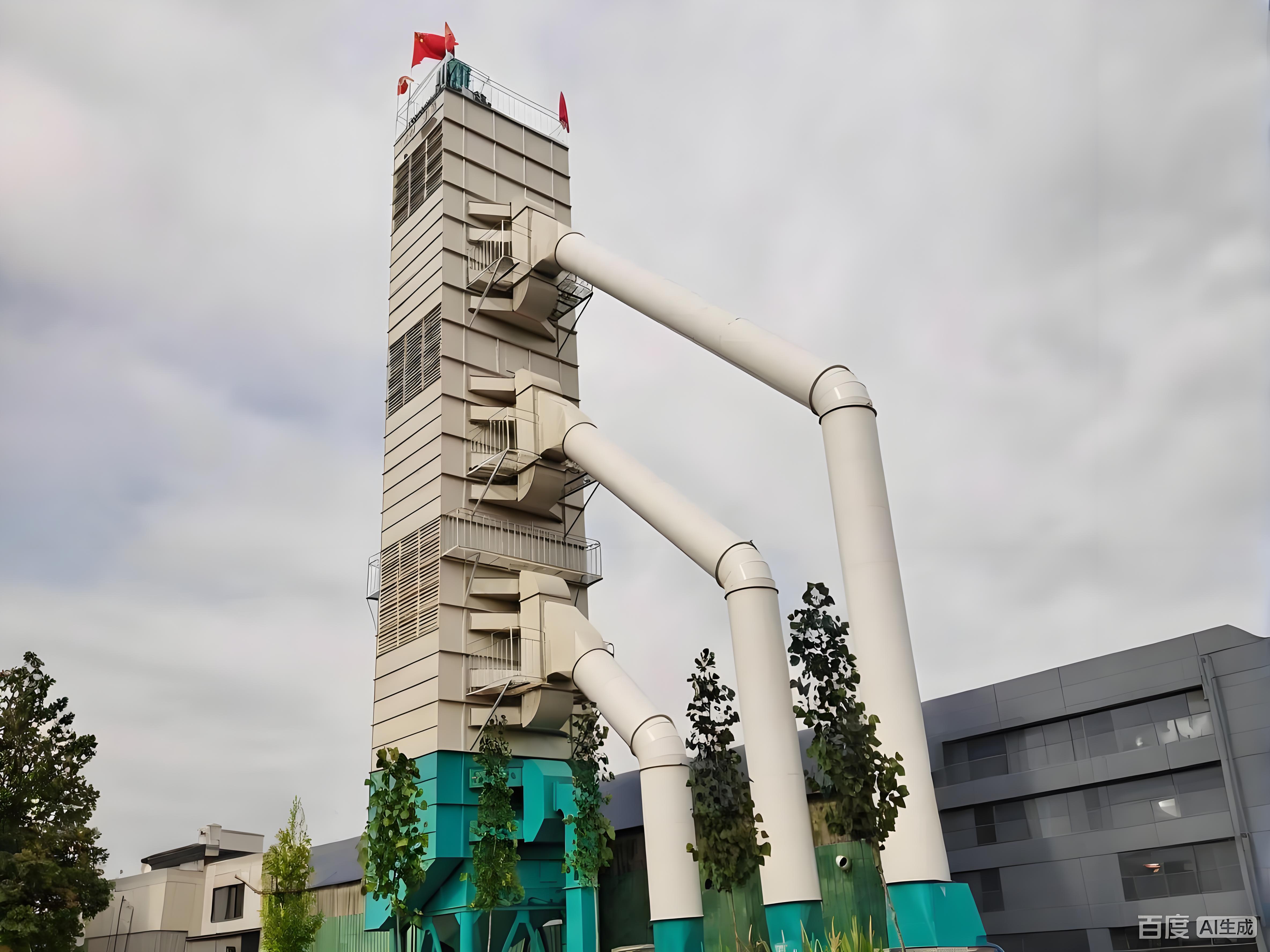
What Is a Continuous Flow Grain Dryer?
A continuous flow grain dryer is a system where wet grain moves through the dryer steadily while hot air removes moisture. Unlike batch dryers, there is no need to stop, unload, and reload for each cycle. Grain enters wet and exits dry without interruption, which is especially helpful during busy harvest seasons.
In daily farm operations, continuous flow dryers allow operators to match the pace of modern combines and minimize downtime. This helps protect grain quality, save time, and reduce labor stress.
Core Components of a Continuous Flow Grain Dryer
Most continuous flow grain dryers include:
- A vertical or horizontal drying column where grain moves steadily
- Heat source (diesel, natural gas, propane, or biomass)
- Fans and airflow management system for even drying
- Grain flow control mechanisms (augers, metering rolls, or gravity systems)
- Control panel for temperature, airflow, and speed adjustments
These components work together to maintain consistent moisture removal while minimizing grain damage.
Why Many Operators Choose Continuous Flow Dryers
The appeal of continuous flow dryers is not about flashy features. It’s about solving practical harvest problems and improving workflow efficiency.
Steady Grain Flow Improves Efficiency
During peak harvest, wet grain keeps coming off the field. Continuous flow dryers allow it to move through the system without pauses. In reality, this prevents bottlenecks, reduces stress on labor, and ensures grain is dried evenly.
Better Moisture Control
Uneven drying can lead to mold, spoilage, or storage problems. Continuous flow grain dryer design balances heat, airflow, and movement to provide uniform drying. Many operators report fewer re-drying needs and improved grain quality as a result.
Adaptability to Different Crops
Continuous flow dryers can handle corn, wheat, soybeans, rice, and other grains. Adjustable airflow and temperature zones help protect grain quality for each crop type.
Common Applications of Continuous Flow Grain Dryers
Large Farms
Farms with high-volume harvests rely on continuous flow dryers to keep up with modern combines and reduce storage delays.
Grain Handling Facilities
Grain elevators and storage centers use continuous flow dryers as their primary drying system. They can handle a constant stream of grain from multiple sources efficiently.
Custom Drying Services
Operators who provide drying services benefit from the ability to process grain quickly for multiple farms without interruption.
Key Factors to Consider Before Investing
Choosing a continuous flow grain dryer should be based on realistic expectations, not just manufacturer claims.
Drying Capacity
Capacity is often advertised in tons per hour, but real-world performance depends on grain moisture, crop type, and environmental conditions. Ask suppliers for actual operational examples.
Energy Source and Fuel Efficiency
Fuel choice affects operating cost. Diesel is flexible for remote farms, natural gas may be cheaper in areas with pipelines, and biomass can reduce costs if locally available. Energy efficiency is influenced by design, airflow, and heat recovery features.
Maintenance and Accessibility
Continuous flow dryers require routine maintenance: cleaning dust and chaff, checking burners, and lubricating moving parts. Dryers with easy access panels are easier to maintain and tend to last longer.
Maintenance and Daily Operation Reality
Daily checks in real farm conditions include monitoring grain flow, checking temperature uniformity, and inspecting fans and heat sources. Operators often find that consistent maintenance ensures steady performance and reduces unexpected downtime.
Is a Continuous Flow Grain Dryer Right for Your Operation?
Continuous flow dryers are not necessary for every farm. Smaller operations may manage with batch dryers or shared facilities. However, if your harvest volume is high, time is critical, and consistent drying matters, continuous flow grain dryer design offers clear advantages.
From the reader’s perspective, the main value lies in steady workflow, reduced labor stress, and reliable grain quality.
Final Thoughts on Continuous Flow Grain Dryer Design
Continuous flow grain dryer design is about efficiency, consistency, and protecting grain during critical harvest periods. By balancing grain flow, heat, and airflow, these dryers integrate seamlessly into modern operations.
For farmers and grain handlers, the real-world benefit is practical: less downtime, improved quality, and smoother harvest operations. Choosing the right design, based on actual operational needs rather than marketing claims, ensures that a continuous flow dryer becomes a reliable and long-term investment.
Welcome to choose our company’s other types of grain dryers, 120Ton grain drying tower, 150Ton grain drying tower, 300Ton grain drying tower,500Ton grain drying tower


 WeChat QR code


