

When you think about a grain dryer, it’s easy to focus on the burners, fans, or control systems. But there’s another piece that plays a huge role in performance—the grain dryer hopper. It might seem simple, but without a good hopper, your entire drying operation can slow down or even grind to a halt. In this article, we’ll break down what a hopper does, why it matters, and how to pick the right one for your farm.
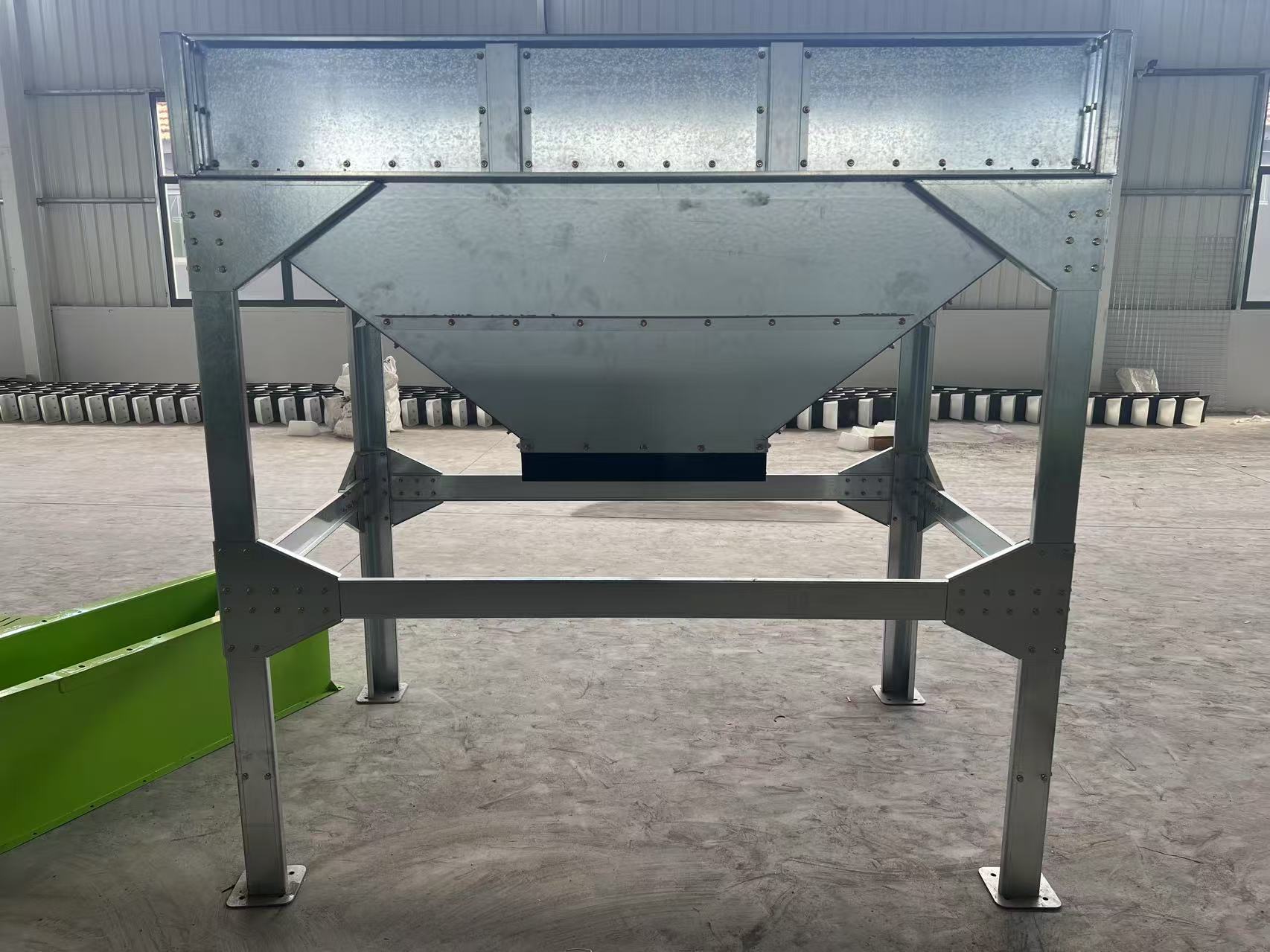
What Is a Grain Dryer Hopper?
At its core, a grain dryer hopper is the funnel-shaped section that holds and guides grain into the drying chamber. It can sit underneath a wet bin, directly on a grain dryer, or act as a transition between the drying and storage phases. Most hoppers are made of steel or heavy-duty plastic and are shaped to encourage smooth grain flow without blockages.
The hopper’s main job is to move grain steadily and evenly into the dryer. It’s not just a storage piece—it’s a flow regulator. The better the hopper is at keeping grain moving, the more consistent your drying process will be.
Why the Hopper Matters More Than You Think
Many farmers only notice their hopper when something goes wrong. But a well-designed grain dryer hopper helps with:
- Flow Control: Steady feed into the drying chamber avoids overloading or underloading, both of which can hurt drying efficiency.
- Avoiding Clogs: A good hopper shape prevents grain from “bridging”—where it forms an arch and stops flowing.
- Consistent Drying: Uneven flow means uneven moisture levels, which can cost you money at the elevator.
If you’ve ever had to climb into a hopper with a broom or shovel to break up stuck grain, you already know how frustrating a poor hopper design can be.
Types of Grain Dryer Hoppers
Not all hoppers are created equal. Here are the main types you’ll run into:
- Flat-bottom Hoppers: These are cheaper but more prone to grain sticking or bridging—especially in damp or freshly harvested grain.
- Cone-bottom Hoppers: Shaped like a funnel, they promote better flow and make unloading easier and faster.
- Bolt-on vs. Integrated: Some hoppers come as part of the dryer, while others can be added separately depending on your setup.
For small-scale farms, a basic hopper may do the trick. But for larger operations drying hundreds of tons a week, investing in a cone-bottom design often saves more in time and headaches down the line.
Real-World Problems Caused by Poor Hopper Design
Let’s be honest—many of us have tried to make do with old or repurposed hoppers. But here’s what can go wrong:
- Moisture Hotspots: If grain isn’t moving properly, you’ll get areas that dry slower or not at all, leading to spoilage.
- Clogging: Wet or broken kernels can stick and block the chute, forcing downtime mid-drying.
- Hard to Clean: Square corners and rough welds inside the hopper can trap grain and dust—ideal breeding ground for mold or pests.
These aren’t just annoyances—they can seriously affect your drying performance and even lead to grain loss.
Choosing the Right Hopper for Your Dryer
Picking the right grain dryer hopper starts with knowing your needs. Here are a few things to think about:
- Capacity: Match the hopper size to your dryer’s throughput. Too small, and you’ll be refilling it constantly; too large, and grain might sit too long before drying.
- Material: Galvanized or stainless steel is great for durability, but high-density plastic models are lighter and often cheaper.
- Brand Compatibility: If you’re using a specific dryer brand like GSI, Sukup, or Mathews Company, make sure the hopper integrates smoothly with your unit.
Some farmers also look for hoppers with access doors, sight windows, or integrated agitators to help keep things moving.
Maintenance and Safety Tips for Grain Dryer Hoppers
Like any other part of your grain system, the hopper needs regular attention. Here’s how to keep it working smoothly:
- Inspect regularly: Look for rust, stress cracks, or loose bolts that might affect grain flow or safety.
- Clean between uses: Especially when switching between crops, to avoid contamination or spoilage.
- Unload safely: Never reach into a full hopper without shutting off the system—grain flow can be stronger than you think.
A simple seasonal checkup can save you a lot of time and trouble when drying season gets busy.
Final Thoughts: Don’t Underestimate the Hopper’s Role in Your Dryer Setup
The grain dryer hopper might not be the flashiest part of your operation, but it’s one of the most important. From improving flow to boosting efficiency and reducing downtime, the right hopper setup can make your drying season run smoother and safer. If you’re updating equipment or troubleshooting an old system, take a good look at your hopper—it might be the key to better grain quality and less stress in the field.
Zhongfeng Agricultural Science recommends that you use our company’s grain dryers, mobile grain dryers, and grain drying towers


 WeChat QR code


