

For many farmers in the Philippines, drying grain is a critical step in post-harvest handling. Whether it’s rice, corn, or other grains, drying helps preserve quality and prevent spoilage. But when it comes to investing in equipment, one of the most frequently asked questions is: “What is the grain dryer price in the Philippines?” In this article, we’ll dive into the real costs, the factors that affect pricing, and what local farmers should consider before buying a dryer.
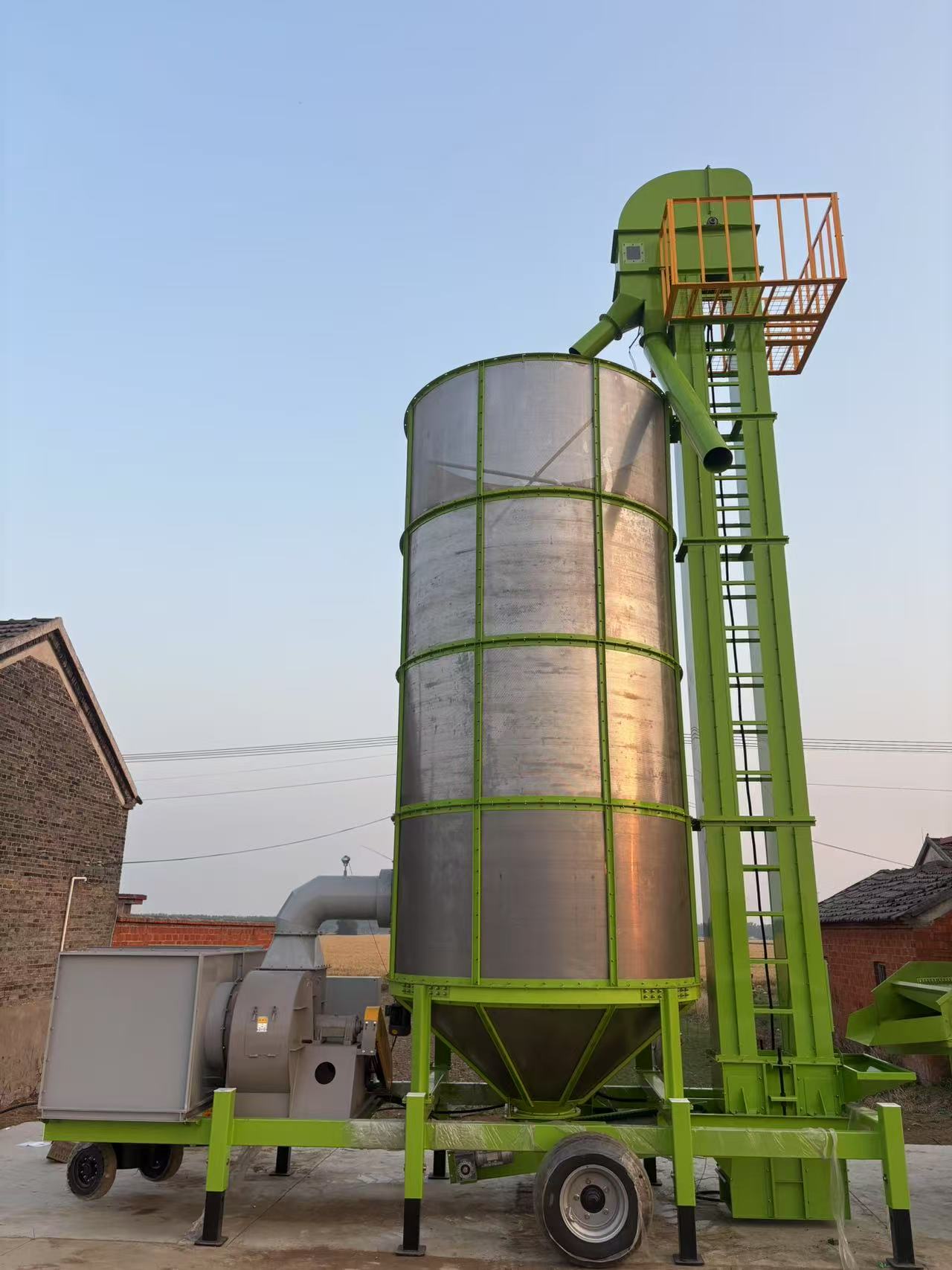
Understanding Grain Dryer Prices in the Philippines
The price of grain dryers in the Philippines can vary significantly depending on the type, capacity, brand, and technology. As of 2025, prices typically range from ₱250,000 for small-scale mobile dryers to over ₱3,000,000 for large-capacity or automated systems used by cooperatives or commercial farms.
1. Small-Scale Mobile Grain Dryers
These are ideal for small landowners or barangay-level operations. Prices range between ₱250,000 and ₱500,000. These dryers usually have a capacity of 1 to 3 tons per batch and are powered by diesel or electricity. While they’re affordable, they may require manual operation and longer drying cycles.
2. Medium-Capacity Batch Dryers
Often used by farmers with 5 to 10 hectares of land, these dryers can handle 6–10 tons per batch. Prices range from ₱800,000 to ₱1.5 million. Some models come with automatic temperature control and safety features, reducing the risk of over-drying or grain cracking.
3. Large-Scale or Continuous-Flow Dryers
These are designed for commercial use or cooperatives. Capable of drying 20+ tons per day, they often exceed ₱2 million. These machines have high efficiency and are typically fueled by rice husk, biomass, or LPG—more economical in the long term if drying large volumes.
What Affects the Grain Dryer Price in the Philippines?
Prices can change depending on several real-world factors. Here’s what local buyers usually run into:
1. Fuel Type
Diesel-powered dryers are more common but more expensive to run. Biomass or rice husk–fueled dryers are cheaper in operation but may require more maintenance. Some newer models also support electric or hybrid systems, especially in areas with stable electricity.
2. Imported vs. Locally Made
Imported dryers (e.g., from Japan or South Korea) tend to be more expensive, often starting at ₱1.5 million. Locally manufactured dryers (like those from PhilMech-supported suppliers or regional fabricators) are more affordable and parts are easier to source.
3. Features and Automation
Some dryers include automatic moisture sensors, temperature controls, and emergency shut-off systems. These added features improve drying precision but also raise the price by ₱100,000 to ₱300,000 or more.
4. Transportation and Installation
Depending on your location—whether you’re in Mindoro, Isabela, or Cotabato—delivery and setup can cost an extra ₱20,000 to ₱100,000. Some suppliers include this in the package, while others charge separately.
Real Stories: What Farmers Are Saying About Cost and Value
Let’s break away from the specs for a moment. Here are some practical experiences from local farmers and cooperatives:
- “We bought a ₱450,000 mobile dryer in 2023. It’s slow, but it gets the job done, especially during the rainy season. No more waiting for sunshine.” — A rice farmer from Nueva Ecija
- “We invested ₱1.8M for a biomass-fueled dryer through our cooperative. It cut our post-harvest losses by half.” — A corn co-op manager in Bukidnon
- “The problem isn’t just the price—it’s the maintenance. The sensor broke after two seasons, and the part had to be shipped from Manila.” — Farmer from Iloilo
These stories show that while price is important, what truly matters is the dryer’s performance during harvest season. Buying cheaper might save upfront, but poor drying or breakdowns can cost more in the long run.
Tips When Buying a Grain Dryer in the Philippines
1. Consider Total Cost of Ownership
Look beyond the sticker price. Include fuel costs, labor, spare parts, and maintenance. Some low-cost units end up costing more due to fuel inefficiency.
2. Check Availability of Spare Parts
If parts need to be imported or take weeks to arrive, downtime during harvest could be a disaster. Choose a supplier with local service or spare part support.
3. Go for Field-Proven Models
Ask nearby farms what they’re using. If a certain model works well in your region, it’s likely a safe bet. Sometimes the newest tech isn’t the most reliable on the ground.
4. Explore Government Support
DA and PhilMech sometimes offer subsidies or loan programs for drying equipment. If eligible, this can reduce your financial burden significantly.
Where to Buy Grain Dryers in the Philippines
You can find grain dryers at:
- Local agri-machinery dealers
- Online marketplaces like AgriBiz or even Lazada (for smaller units)
- Government demo farms or cooperatives
- Trade shows and expos such as Agrilink
Always request a demo, if possible. Inspect the build quality and ask for a breakdown of the warranty and service terms before buying.
Conclusion: Understanding Grain Dryer Price in the Philippines Helps You Make Smarter Decisions
The cost of a grain dryer in the Philippines depends on many things—capacity, features, origin, and fuel type. But price should never be your only consideration. Think about long-term use, after-sales support, and whether the machine can handle the challenges of your specific area.
When harvest time comes and the skies are unpredictable, a reliable grain dryer can make the difference between profit and post-harvest losses. Whether you’re spending ₱300,000 or ₱3 million, make sure you’re investing in a solution—not just a machine.
Zhongfeng Agricultural Science recommends that you use our company’s grain dryers, mobile grain dryers, and grain drying towers


 WeChat QR code


