

When harvest season comes, many small farming communities face the same challenge: how to handle freshly harvested grain before it spoils. This is where mowers community systems grain dryers come into play. These systems aren’t just about drying grain—they represent cooperation, shared resources, and practical solutions that make life easier for farmers who may not have the budget for large-scale equipment. In this article, we’ll break down what these systems are, how they work, and why they’re becoming more important in modern farming communities.
1. What Are Mowers Community Systems Grain Dryers?
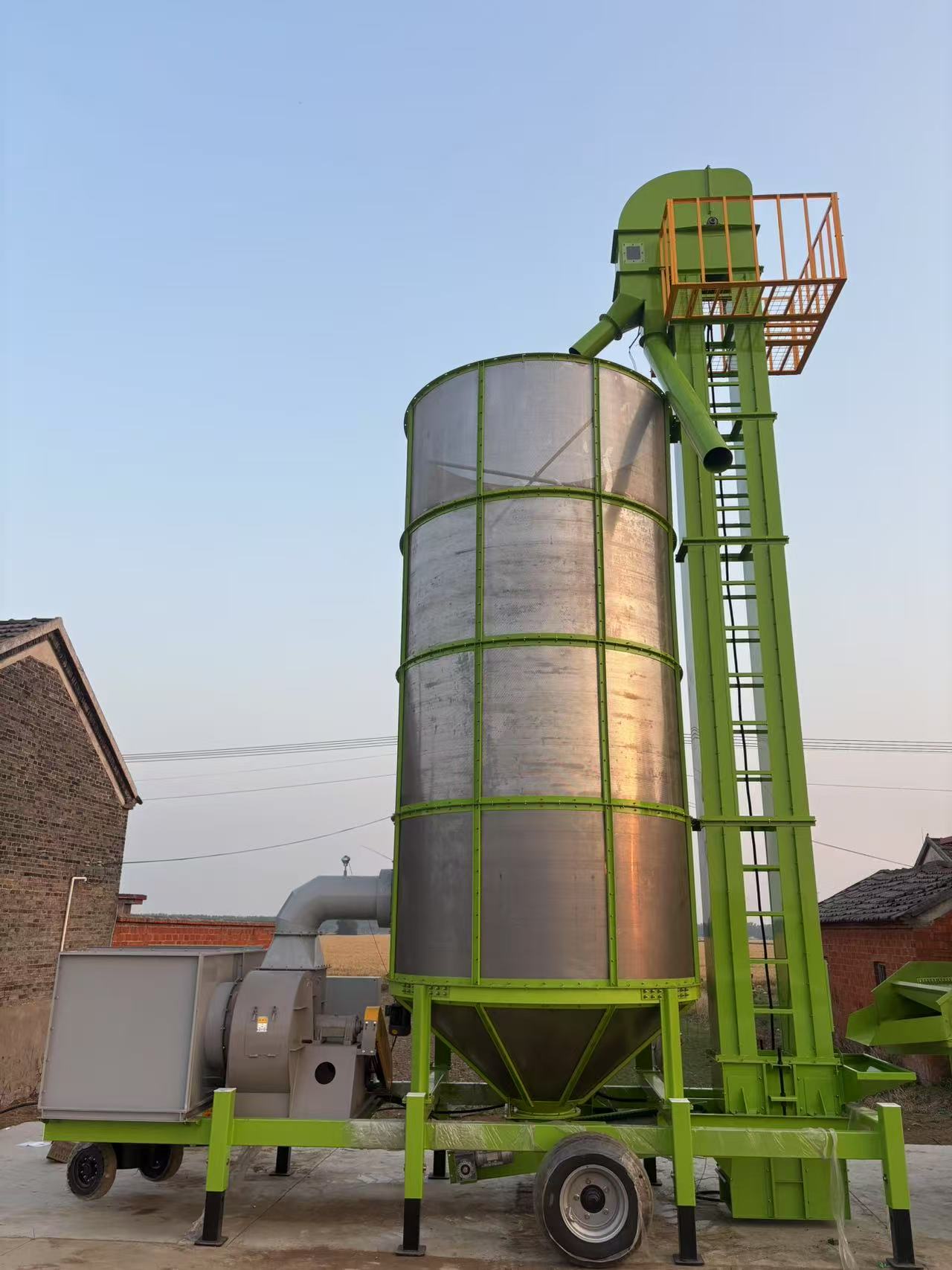
In simple terms, community systems grain dryers are shared facilities or mobile drying units that serve multiple farmers in one area. Instead of each farmer buying their own dryer—which can cost tens of thousands of dollars—farmers pool resources or rely on cooperative ownership. The term “mowers community” often refers to agricultural groups or local co-ops where equipment like mowers, tractors, and dryers are shared. This model helps reduce costs, improves efficiency, and ensures that grain doesn’t spoil during rainy or humid conditions.
2. Why Grain Dryers Are Essential
Freshly harvested grain, whether it’s corn, wheat, or rice, usually contains 20% or more moisture. For safe storage, moisture levels need to drop closer to 12–14%. Without drying, grain is at risk of mold, insect infestation, or even complete loss. Farmers know that even a week of bad weather can ruin a harvest if the grain sits too long. That’s why dryers are not just a convenience—they’re a necessity for protecting income and ensuring food security.
3. How Community Systems Work in Practice
Shared Ownership and Costs
In many rural areas, farmers create a cooperative. Each member contributes money, labor, or fuel to maintain the dryer. By splitting expenses, the cost per farmer drops significantly. Instead of one family bearing the entire investment, ten families might share a single unit.
Scheduling and Fair Use
During peak harvest, scheduling becomes very important. Most communities establish a rotation or booking system so that every farmer gets their grain dried on time. This avoids conflicts and ensures no one’s harvest is left to spoil.
Local Support and Maintenance
One advantage of community systems is that they often come with shared knowledge. If the dryer breaks down, there’s usually at least one person in the group with the skills to troubleshoot or fix it. This sense of teamwork makes the system more reliable than individual ownership for some smallholders.
4. Technical Features of Grain Dryers in Community Systems
Drying Capacity
Community systems usually opt for mid-sized dryers, often capable of handling 20–50 tons per batch. This strikes a balance between affordability and meeting the needs of multiple farmers.
Heat Source
Different communities choose heat sources based on local availability. Some use diesel or natural gas, while others rely on biomass like rice husks or corn cobs. This flexibility allows farmers to keep operational costs manageable.
Energy Efficiency
Modern dryers in community systems are often designed with circulation fans and automated controls. These features reduce fuel waste and ensure the grain dries evenly. For a group of farmers working on tight margins, saving fuel means saving money.
5. Benefits from a Farmer’s Perspective
Cost Savings
Buying a grain dryer outright can cost as much as a small tractor. By joining a community system, farmers save money on equipment, fuel, and maintenance. This makes advanced technology accessible even for small-scale producers.
Reduced Post-Harvest Losses
Every farmer knows the frustration of losing grain to spoilage. With shared dryers, crops are processed faster, leading to less waste and more profits at the end of the season.
Flexibility and Mobility
Some community systems rely on mobile dryers that can be transported between farms. This reduces the need for every farmer to bring their harvest to one central spot. It also makes it easier for remote farmers to participate.
6. Challenges and Realities
Of course, no system is perfect. Farmers often face issues like scheduling conflicts, disagreements about cost-sharing, or unexpected breakdowns. In areas with very high harvest volumes, one dryer may not be enough. However, most communities find that the benefits outweigh the challenges, especially when compared to the risk of losing grain.
7. Looking Ahead: The Future of Community Grain Dryers
As farming communities continue to adapt to climate change and unpredictable weather, the role of shared systems will likely expand. More efficient dryers, renewable energy heat sources, and digital scheduling apps are already making these systems easier to manage. For small and medium farmers, this cooperative approach may be the best way forward.
Conclusion
The idea of mowers community systems grain dryers is simple but powerful: share resources, reduce costs, and protect the harvest. For many farming communities, especially those where margins are thin, this model makes advanced technology accessible and practical. By working together, farmers can not only safeguard their grain but also strengthen their communities in the process. If you’re part of a farming cooperative or considering joining one, looking into community-based grain dryers could be a game-changer for your harvest season.
Zhongfeng Agricultural Science recommends that you use our company’s grain dryers, mobile grain dryers, and grain drying towers


 WeChat QR code


