

When searching for a tower dryer for sale, many farmers and grain storage managers want to make the right decision without wasting money or facing technical headaches. Tower dryers are a big investment, and choosing one requires balancing capacity, efficiency, cost, and long-term reliability. This article walks you through what a tower dryer is, why it might be the right fit, and what to consider before making a purchase.
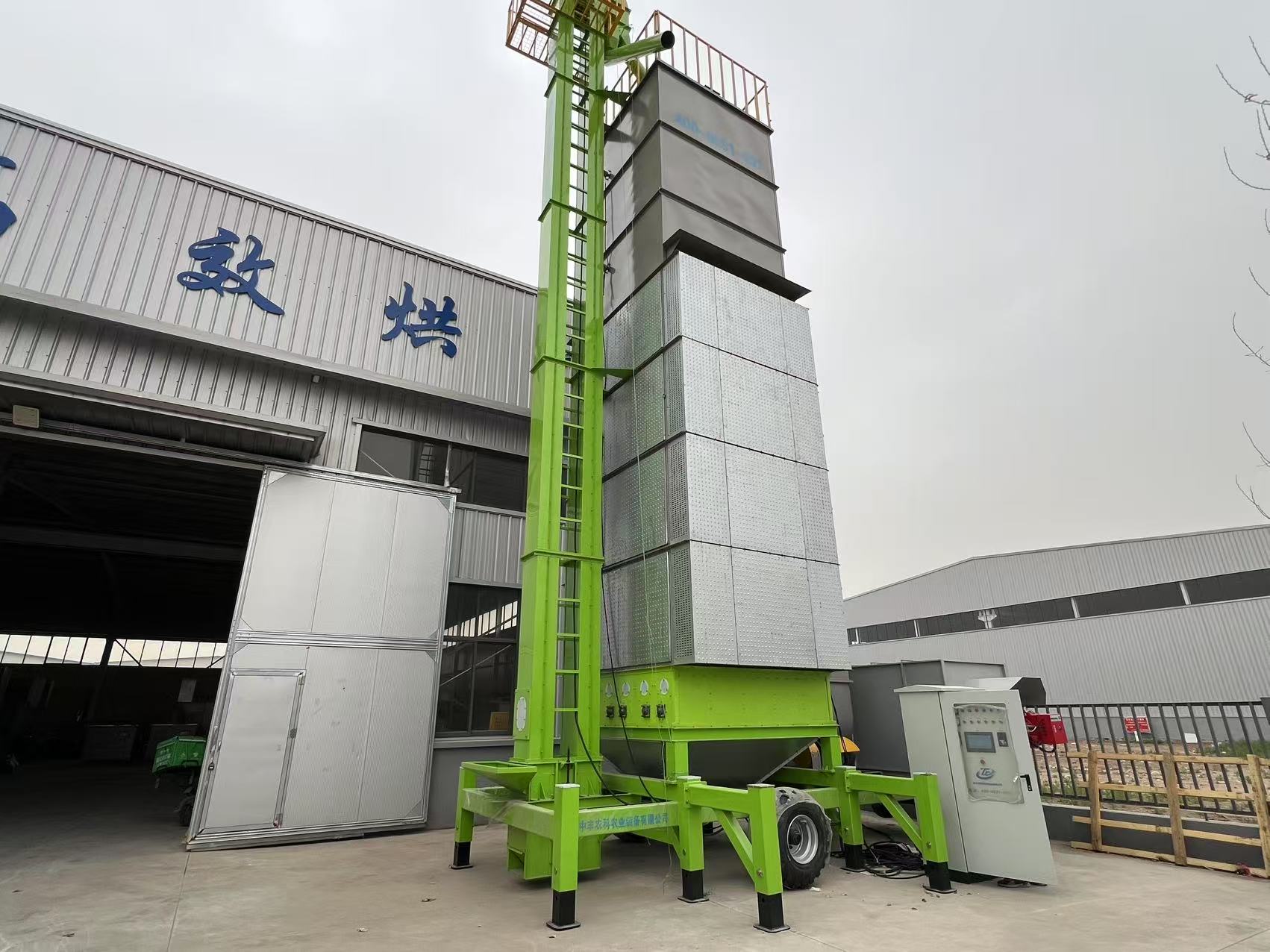
What is a Tower Dryer?
A tower dryer is a vertical grain drying system designed to handle large volumes of crops such as corn, wheat, soybeans, or rice. Unlike smaller batch dryers, tower dryers work continuously and are ideal for farms or grain facilities with heavy harvest volumes. They are built tall and narrow, which saves ground space and makes them efficient for drying large amounts of grain within a shorter period of time.
Why Choose a Tower Dryer?
Before you look for a tower dryer for sale, it’s important to understand why farmers prefer them over other options. Here are some realistic benefits:
- High capacity – A tower dryer can process hundreds of tons of grain per day, making it perfect for large-scale operations.
- Continuous drying – Unlike batch dryers, tower dryers work around the clock, reducing downtime and speeding up the harvest process.
- Space efficiency – Their vertical design saves land space, which is useful if your farmyard is limited in area.
- Energy efficiency – Many modern tower dryers recycle heat, lowering fuel costs and reducing environmental impact.
Factors to Consider When Buying a Tower Dryer
Not every tower dryer will fit your situation. Here are some practical factors to keep in mind before committing to one:
1. Capacity Requirements
Think about how many tons of grain you usually harvest in a day. A tower dryer that is too small will cause delays, while one that is too large could be an unnecessary expense. For example, a farmer harvesting 500 tons per day should look for a tower dryer that can handle at least that volume.
2. Fuel Type and Efficiency
Tower dryers usually run on propane, natural gas, or diesel. Choosing the right fuel type depends on what is affordable and available in your region. Check fuel efficiency ratings, because energy costs will quickly add up during harvest season.
3. Installation and Maintenance
Unlike smaller portable dryers, tower dryers require a proper foundation and electrical setup. Before purchasing, consider whether your farmyard has enough space and whether you can access skilled technicians for maintenance. Downtime during peak harvest can be costly.
4. Budget and Long-Term Costs
The initial price of a tower dryer is high—sometimes hundreds of thousands of dollars. But remember, the real cost is not only in the purchase. You also need to calculate fuel, labor, and maintenance expenses over the next 10 to 15 years. In many cases, a slightly more expensive but fuel-efficient model may save money long-term.
Where to Find a Tower Dryer for Sale
When it comes to finding a tower dryer for sale, you have a few options:
- Local dealers – Many agricultural equipment suppliers offer new and used tower dryers, along with installation services.
- Online marketplaces – Websites specializing in farm equipment often list second-hand tower dryers at lower prices. Always inspect the machine’s condition before buying.
- Manufacturer direct – Buying directly from manufacturers often gives you access to the latest models, warranties, and customer support.
New vs. Used Tower Dryer
When deciding on a tower dryer for sale, you’ll face the choice between buying new or used. Each option has its advantages:
- New tower dryer – Comes with warranties, updated technology, and better fuel efficiency. However, it requires a larger upfront investment.
- Used tower dryer – Costs less, but may require repairs or retrofits. Always check for signs of wear, rust, and whether replacement parts are available.
Real-Life Example
Take John, a midwestern corn farmer who used a small batch dryer for years. As his farm grew, he found the drying process too slow and costly. During one wet harvest, his grain started to spoil because the batch dryer couldn’t keep up. After researching a tower dryer for sale, John invested in a 1,000-bushel-per-hour tower dryer. It was a big upfront cost, but it paid off by cutting drying time in half and reducing propane use. For John, the tower dryer wasn’t just equipment—it became a way to protect his harvest and increase profit margins.
Conclusion
Investing in a tower dryer is a big decision, but for large-scale grain producers, it often pays off. By carefully considering your farm’s needs, budget, and long-term efficiency, you can find the right tower dryer for sale that fits your situation. Whether you go for a brand-new model or a well-maintained used one, the key is to ensure it matches your capacity, energy, and reliability needs. A smart purchase now can secure your harvests for many years to come.
Welcome to choose our company’s other types of grain dryers, grain drying tower 120Ton grain drying tower, 150Ton grain drying tower, 200Ton grain drying tower,


 WeChat QR code


