

For many grain farmers, drying and storing harvested crops is just as important as growing them. Without proper drying, grains like corn, wheat, and soybeans can spoil quickly, leading to mold, insects, or significant losses in quality. One solution that many farmers turn to is grain bin dryer systems. Unlike stand-alone dryers, these systems allow farmers to dry and store grain in the same place, saving time and handling costs. But what do they actually look like in real farming conditions, and how do you know if they’re the right choice for your operation?
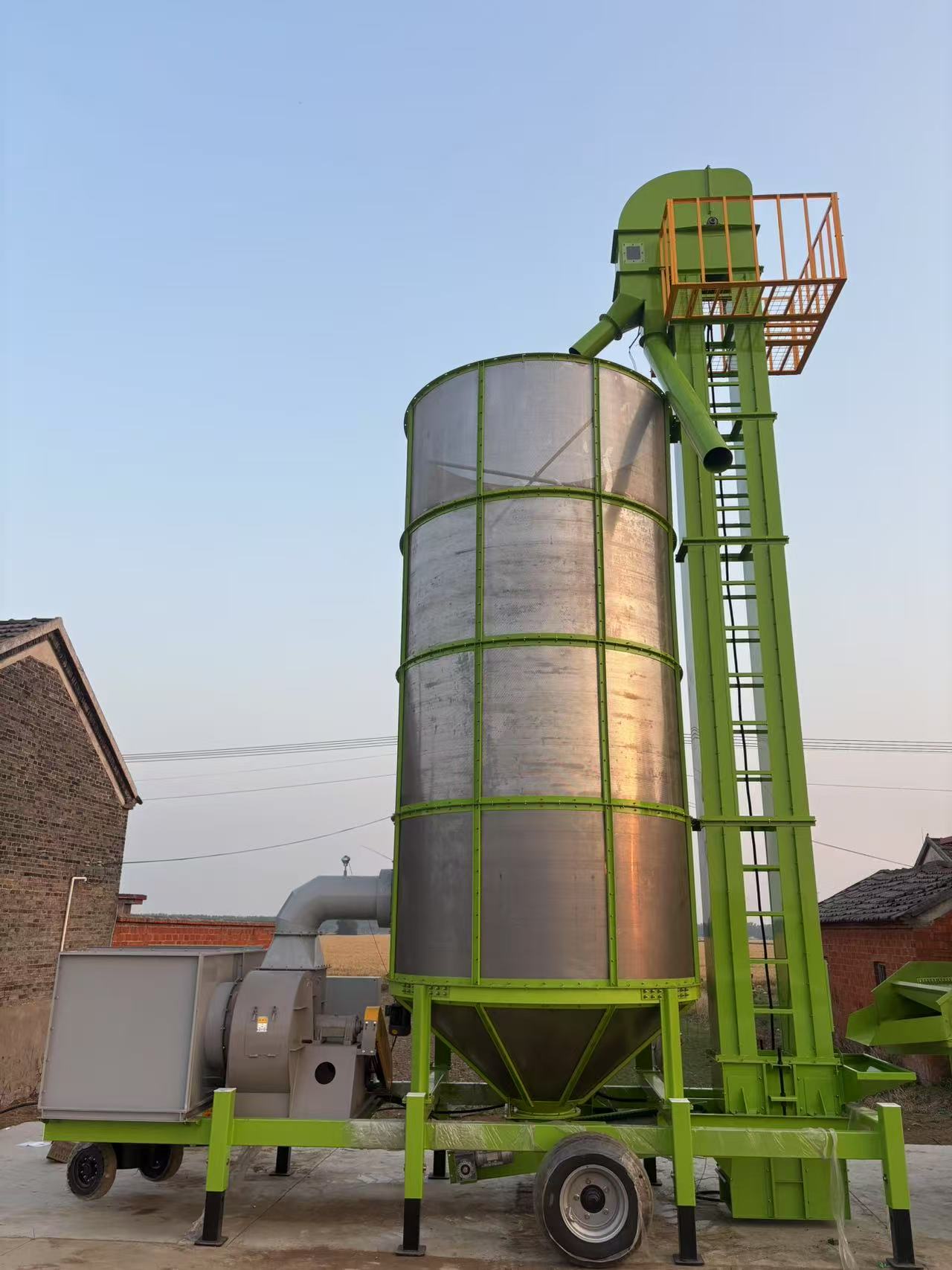
1. What Are Grain Bin Dryer Systems?
A grain bin dryer system is essentially a storage bin that has been outfitted with fans, heaters, and sometimes stirring equipment. Instead of drying the grain in a separate machine, the drying process happens directly in the bin where the grain will be stored. This makes it convenient for farmers who want a two-in-one solution: drying and storage together.
In practical terms, this means fewer times moving the grain around, less labor, and a lower risk of damage. Farmers who don’t have large crews often see this as a big advantage.
2. Types of Grain Bin Dryer Systems
While the general idea is the same, not all systems are built alike. Here are the main types farmers commonly use:
- Natural Air Drying: Uses unheated air, pushed through the grain by fans. It’s slower but cheaper since there’s no added fuel cost. Best in dry climates.
- Low-Temperature Drying: Adds a small amount of heat to speed up the process. It strikes a balance between efficiency and fuel cost.
- High-Temperature Drying: Uses heaters with powerful airflow. Grain dries faster, but the risk of overdrying or energy waste is higher if not managed carefully.
- Stirring Systems: Some bins come with stirring augers that move grain around during drying. This helps even out moisture and prevents hot spots.
3. Why Farmers Choose Grain Bin Dryer Systems
From a farmer’s point of view, the decision often comes down to simplicity and cost savings. For example:
- Less Grain Handling: Instead of moving grain multiple times between a dryer, trucks, and bins, it all happens in one place.
- Labor Efficiency: Smaller farms or operations with limited labor benefit from having fewer machines to manage during the busy harvest season.
- Storage and Drying Combined: The same bin serves both purposes, reducing equipment needs.
- Cost Management: While initial setup costs can be high, farmers save long-term by using one system for two jobs.
4. Real-World Challenges with Grain Bin Dryers
Of course, grain bin dryer systems aren’t perfect. Farmers face some practical challenges when using them:
- Drying Speed: Compared to continuous flow dryers, bin systems are slower. In wet years, this can delay harvest progress.
- Moisture Uniformity: Without stirring or proper management, grain at the bottom may dry faster than at the top, creating uneven moisture levels.
- Fuel Costs: High-temperature bin drying can get expensive during wet harvests, especially if propane or electricity prices rise.
- Maintenance: Fans and heaters need regular checks. A breakdown in peak harvest season can be stressful and costly.
One farmer from Minnesota shared that in a wet fall, his natural-air bin system simply couldn’t keep up. He had to send some of his crop to a neighbor’s high-capacity dryer to avoid spoilage. On the other hand, another farmer in Kansas explained that his low-temperature bin system was perfect for his smaller acreage, and he appreciated not having to invest in separate drying equipment.
5. Tips for Getting the Most Out of a Grain Bin Dryer System
Based on farmers’ experiences, here are some practical tips to make bin drying more efficient:
- Monitor grain moisture regularly, especially the top layers, to avoid uneven drying.
- If possible, invest in a stirring system or grain spreader to improve uniformity.
- Match the system size to your harvest volume—too small and you’ll struggle to keep up, too large and you’ll overpay for capacity you don’t use.
- Plan for fuel costs during wet harvests. Budgeting ahead can reduce stress when prices rise.
- Don’t skip maintenance—clean fans and check heaters before the season starts.
6. The Future of Grain Bin Dryer Systems
Technology is slowly changing how these systems work. Newer bins come with automated controls, moisture sensors, and smartphone monitoring, allowing farmers to check conditions without climbing ladders or guessing. Some systems now integrate renewable energy options, like solar-assisted fans, to reduce fuel costs. While these upgrades are appealing, many farmers still weigh them against their budget and the reality of harvest demands.
7. Conclusion
Grain bin dryer systems are a practical solution for many farmers, especially those who value efficiency and simplicity. They may not be the fastest option, but for small to medium operations, the convenience of combining drying and storage often outweighs the drawbacks. The key is to match the system to your farm size, climate, and fuel availability.
If you’re considering investing in a grain bin dryer system, start by evaluating your average harvest volume, local weather patterns, and energy costs. Talk to neighbors who already use these systems, and learn from their real-world experiences. By doing so, you’ll be better prepared to choose a system that not only fits your budget but also supports a smoother harvest season.
Zhongfeng Agricultural Science recommends that you use our company’s grain dryers, mobile grain dryers, and grain drying towers


 WeChat QR code


